




Menopause is a natural phase in a woman’s life, marked by the progressive reduction in the production of sex hormones, particularly oestrogen. These hormonal changes have an impact on several body systems, including the oral cavity. Although it is a physiological process, menopause is associated with important changes in saliva, gingival tissues, the bone that supports the teeth, and the balance of the oral microbiome, potentially increasing the risk of various oral conditions.
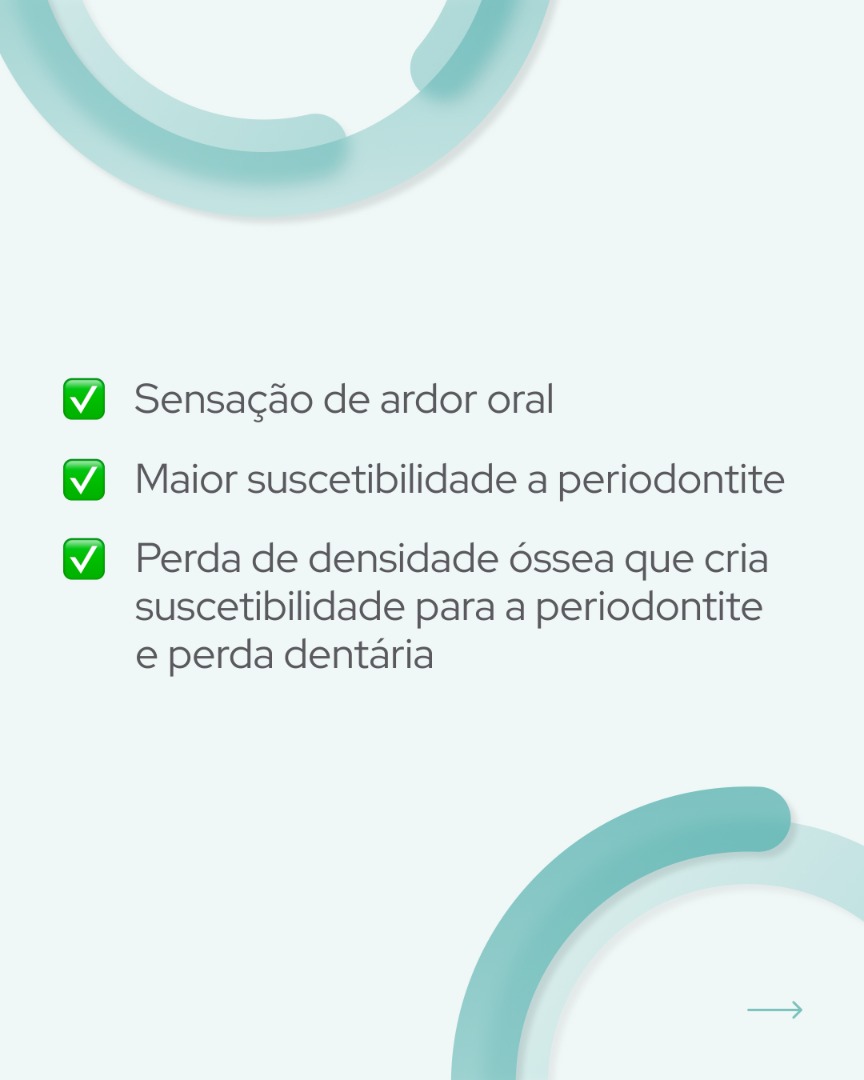
One of the most frequent manifestations is a reduction in salivary flow, known as xerostomia or the sensation of a dry mouth. Saliva plays an essential role in protecting teeth and oral tissues, helping to neutralise acids, control bacteria, and facilitate chewing and swallowing. When its quantity or quality decreases, the risk of dental caries, gingival inflammation, infections such as candidiasis, and difficulties in chewing and speech increases. In addition, many women report alterations in taste, a burning sensation in the mouth (burning mouth syndrome), and increased oral sensitivity — symptoms that can significantly affect quality of life.
Hormonal changes also directly influence periodontal health. The reduction in oestrogen may increase gingival inflammation and accelerate periodontal attachment loss, making postmenopausal women more susceptible to periodontitis and, consequently, tooth loss. This situation is further aggravated by the increased tendency towards bone resorption associated with menopause and osteoporosis. The reduction in bone mineral density may affect the alveolar bone, which supports teeth and implants, compromising their long-term stability.
Furthermore, the tissues of the oral mucosa become thinner and more fragile, making lesions, ulcers, or infections more likely to occur. These changes, together with alterations in the oral microbiome — often related to reduced salivary flow — contribute to a more vulnerable oral environment.
Despite these increased risks, it is important to emphasise that many of these changes can be prevented or managed. Maintaining good daily oral hygiene, including proper toothbrushing, the use of dental floss, and fluoride-containing products, is essential. Adequate hydration and, when necessary, the use of saliva substitutes may help relieve the sensation of dry mouth. A balanced diet rich in calcium and vitamins contributes to both bone and oral health.
Regular appointments with a dentist play a crucial role at this stage of life, allowing for the early detection of changes, monitoring of gingival health, and the implementation of personalised preventive measures. In some cases, hormone replacement therapy may have beneficial effects on certain oral symptoms, although its effects vary among women and should be assessed in conjunction with the treating physician.
Menopause is a natural stage of life, but one that requires particular attention to oral health. With appropriate professional support and consistent preventive measures, it is possible to maintain a healthy mouth, preserve teeth, and ensure quality of life over the years.
Content developed by Dr Vírginia Costa
11, March 2026